Yá’át’ééh! | Shalom! | Olá!
Shalom friends,
I wanted to create a page where I could gather and share some of my favorite precious gems—resources, teachings, and materials that have been meaningful to me and that I hope will be helpful to others as well.
Some of the items and sources featured here have been discussed in my live Bible studies or in uploaded study sessions. I understand that authentic resources connected to Judaism and a lived Jewish religious life can sometimes be difficult to find. This page is meant to help bridge that gap by pointing seekers toward some of the hidden gems and enduring treasures found within Judaism.
I am not paid to endorse any products, books, or resources shared on this page unless it is clearly and explicitly noted. My intention is simple and sincere: to help make your journey of study, learning, and spiritual exploration a little easier—and a little more joyful.
Please feel free to reach out through the Contact page if you have questions related to this content. I fully acknowledge that I am not an expert, but I am always willing to help, share what I have learned, and take a thoughtful look together.
Alllllll that being said—
please explore, and enjoy.
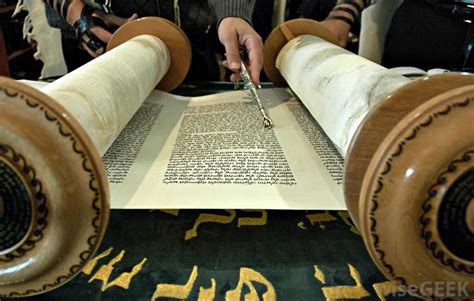
What Torah and Tanakh I like:
When I began searching for my personal Study Torah (Chumesh), I quickly realized there was an overwhelming number of options. So I did what I have learned to do—I went to my Father in prayer. B’H.
It did not take long before I was led to The Stone Edition Chumash. B’H and thank you Uncle. I’ve lovingly referred to it during Bible Study as “The Blue Stone Torah”—you know… because of that beautiful, deep stone-blue cover.
I have been using this Chumash for over five years, and I truly love it. The photographs in the back, the charts, the maps, the graphs—oooo, my. They add depth and richness to study and make the text come alive.
I especially appreciate the commentary from so many of the great Sages of blessed memory. Their insights have assisted me greatly in both my personal learning and my teaching. I also love how easy this Chumash makes it to look up quoted verses, references, and source material. It is incredibly user-friendly without sacrificing depth.
I often recommend this Chumash for those who have set daily times for Torah study. In my experience, it is also perfect for Shabbat afternoons, naturally flowing into evening study sessions.
Why?
Because, in my personal experience, what begins as a “quick” 10- or 15-minute study often turns into… oh—it’s dinner time already.
#ThankYouHaShem
As I continued to grow in both my observance and my level of learning, I felt called to engage with a more elevated Chumash. Once again, I turned to the Holy Blessed One in prayer and guidance, and I was led to Pituchei Chotam on the Full Chumash.
I deeply enjoy the spiritual explanations offered in this work. Mostly because I grew up with the more spiritual explanations and traditions, rather than religious. It has expanded my understanding of the text in ways that have strengthened not only my relationship with HaShem, but also my understanding of myself, my relatives, and ancestors—and of others. The insights gained here have been both grounding and transformative. B’H.
I recommend Pituchei Chotam for those who are at an intermediate to advanced level of Torah study, or for learners who feel ready to engage the text on a deeper, more inward spiritual level.

Fun fact:
I rather have a student or pocket sized book.
Read why below.
Beginner-Friendly to Advance and Authentic Jewish Texts
In my opinion, two excellent beginner-friendly and authentic Jewish texts are the JPS Tanakh and The Living Torah by Rabbi Aryeh Kaplan.
Both of these serve as a gentle and effective transition for those who are returning to Judaism after time spent in man-made religious systems or belief structures that did not originate with a true Torah foundation.
The JPS Tanakh is especially approachable. It is easy to read, uses clear English, and does not overwhelm the reader with advanced Jewish terminology. This makes it ideal for those who may be unfamiliar with Hebrew, Jewish concepts, or traditional modes of Torah study.
The Living Torah, on the other hand, provides readable text alongside insightful commentary. Rabbi Aryeh Kaplan’s explanations help bridge the gap between the written Torah and Jewish thought, making it an excellent starting point for those learning how to study Torah more deeply or preparing to engage with a more advanced Chumash.
I strongly recommend reading the introductions and “how to use this book” sections at the beginning of both the JPS Tanakh and The Living Torah. These sections are invaluable for new readers and greatly assist in understanding structure, translation choices, and interpretive methods.
📖 Chumash & Torah Commentary Guide
Labeled by Tradition: Ashkenazi | Sephardic | Mizraḥi | Cross-Traditional
🌱 BEGINNER LEVEL
📘 JPS Tanakh / JPS Chumash
Tradition: Cross-Traditional
Why: Clear English, academic neutrality, excellent first exposure.
🔗 https://www.amazon.com/dp/0827603665
📘 Torah with Targum Onkelos (Hebrew–Aramaic)
Tradition: Sephardic / Mizraḥi
Why: Classical translation used universally in Sephardic learning.
🔗 https://www.amazon.com/dp/9653011028
📘 Artscroll Stone Chumash
Tradition: Ashkenazi
Why: Accessible commentary, strong traditional framing.
🔗 https://www.amazon.com/dp/0899060145
🌿 INTERMEDIATE LEVEL
📗 Rashi on the Torah
Tradition: Ashkenazi (used universally)
Why: Foundational explanations of text and tradition.
🔗 https://www.amazon.com/dp/1578191097
📗 Ibn Ezra Commentary on the Torah
Tradition: Sephardic
Why: Grammar-based, rational, precise peshat.
🔗 https://www.amazon.com/dp/9653010404
📗 Rashbam Commentary
Tradition: Ashkenazi (peshat-oriented)
Why: Focuses strictly on the plain meaning of the text.
🔗 https://www.amazon.com/dp/9653011338
📗 Mikraot Gedolot (Basic Edition)
Tradition: Cross-Traditional
Why: Introduces multiple commentators side-by-side.
🔗 https://www.amazon.com/dp/9653011923
🌳 ADVANCED LEVEL
📕 Ramban (Nachmanides) on the Torah
Tradition: Sephardic
Why: Integrates peshat, philosophy, and sod (depth).
🔗 https://www.amazon.com/dp/9653011044
📕 Sforno Commentary
Tradition: Sephardic / Italian
Why: Ethical clarity and moral responsibility.
🔗 https://www.amazon.com/dp/9653011699
📕 Ralbag (Gersonides)
Tradition: Sephardic
Why: Philosophical, logical, systems-oriented Torah study.
🔗 https://www.amazon.com/dp/9653011168
📕 Mikraot Gedolot (Full Edition)
Tradition: Cross-Traditional
Why: Advanced comparative Torah learning.
🔗 https://www.amazon.com/dp/9653012156
🕯️ PHILOSOPHY & ETHICS (Advanced Companion Texts)
📙 Moreh Nevuchim (Guide for the Perplexed) – Rambam
Tradition: Sephardic / Mizraḥi
Why: Deep theology, intellect + faith alignment.
🔗 https://www.amazon.com/dp/0226502309
📙 Kuzari – Rabbi Yehuda HaLevi
Tradition: Sephardic
Why: Faith, identity, and lived Torah.
🔗 https://www.amazon.com/dp/087306353X
📙 Sefer HaChinuch
Tradition: Sephardic
Why: Ethical purpose behind mitzvot.
🔗 https://www.amazon.com/dp/965301048X
📙 Mesillat Yesharim
Tradition: Cross-Traditional (Sephardic-style ethics)
Why: Refinement of character and spiritual discipline.
🔗 https://www.amazon.com/dp/0899068669
🧭 Quick Visual Summary
Ashkenazi Strengths:
✔ Structured commentary
✔ Legal tradition
✔ Layered textual debate
Sephardic / Mizraḥi Strengths:
✔ Clarity of text
✔ Grammar & meaning
✔ Ethics + philosophy
✔ Integrated worldview
✨ Torah is not learned, believed, nor practiced the same way in every community, but truth is revealed through actual living what is studied and actual faithful paths.
Each tradition preserves a facet of divine wisdom. G’W
What I Use Daily to Grow in Torah
To deepen my own Torah learning, I enjoy reading and studying from multiple editions of the Tanakh.
Like many others, I began with the Stone Edition Tanach (Student Size – Black). Any time I can find a pocket-sized or student edition, I consider that a win—it makes daily study far more accessible.
More recently, I have come to truly enjoy the Metsudah Chumash (Metsudah Publications, 2009). At the moment, I am primarily using the e-book version available through Sefaria.org, which I find incredibly convenient for daily reference and comparison.
That said, I do hope to add a hardcover edition of the Metsudah Chumash to my personal home library in the near future.
Travel, Day to Day, and
Shabbat Study
Being that I travel often and am frequently on the move for daily tasks and events—as I’m sure most of us are—it can be difficult to carry large books just to squeeze in a few minutes of reading. Whether it’s waiting in lines, sitting in holding spaces, or let’s be honest… gently avoiding unpleasant conversations or people.
A while ago, I made a conscious decision: instead of mindlessly scrolling on my phone, engaging with negativity, or listening to lashon hara, I would carry a book with me or keep earbuds handy to listen to an educational or faith-based podcast.
For me, carrying a small-format book in my bag or headphones in my belt pack is far more practical when life is in motion. These small choices have made a big difference in how I use otherwise wasted moments throughout the day.
That being said, I deeply enjoy reading commentary and translations, especially on Shabbat. I make a personal effort—whether with family or friends—to read at least one chapter from any book of the Tanakh every Shabbat. Of course, more often than not, one chapter turns into many… and sometimes into an entire book. Baruch HaShem, those are the nights that stretch late into the quiet hours.
How Do I Do This?
I’m glad you asked.
I prepare ahead of time. Before Shabbat begins, I make sure the books I intend to read are already placed on my study table, next to my reading chair—ready and waiting. I think of it as preparing my own peaceful, far-away land… at least in my mind.
For me, Shabbat is the most precious time for deep, uninterrupted study. While I do learn during the week, Shabbat study feels free from the usual restraints of time and urgency. I’ve personally noticed that I receive greater clarity and divine insight during Shabbat learning.
Perhaps that is why Shabbat study is so highly praised among the sages.
I encourage others—especially those who observe Shabbat—to set an intention each Shabbat for what they wish to study, while remaining open to where the Holy Blessed One may lead them. Sometimes being guided to a text we hadn’t planned to open leads to unexpected understanding, spiritual depth, or answers to questions we didn’t even realize we were carrying.
AHHHHHHH…
(said while sipping coffee or tea) ☕📖
What I like e-reading:
https://hebrewbooks.org/ShulchanAruch
What sources and resources I like for my study and fun reading:
- Site for Sacred Text and Removed Books of the Bible:
- Sefaria TANAKH (Bible)
- Books of the Torah and other Jewish writings:
- Vine’s Complete Expository Dictionary:
- Jewish Languages Search website:
- Sensagent online Dictionary:
- Strong’s Concordance and Strong’s Lexicon:
- Sefaria is home to 3,000 years of Jewish texts:
- My Jewish Learning
- Jewish holiday calendars & Hebrew date converter
What I like Watching and listening:
I do my best to avoid watching secular television or shows. Beyond simply wanting to be more mindful, I have found that guarding my eyes and ears brings a noticeable increase in peace, clarity, and ease.
By intentionally stepping away from content that feels unclean, chaotic, or impure, I have been blessed to discover sources that nourish the soul rather than distract it. In making space, I believe HaShem has gently guided me toward rich, meaningful Jewish learning and viewing resources that uplift rather than pull downward.
I am sharing these sources here for others who may also be searching for holy, thoughtful, and authentically Jewish content online—whether for learning, inspiration, or quiet reflection.
My prayer is that those who explore these offerings find them enriching, grounding, and supportive on their own spiritual path.
Please feel free to explore, and may they be a blessing to you as they have been to me.
Beyond Orthodox Conversion to Judaism
What I Love for Jewish Children: Listening & Learning
I love, love, love the resources listed below—not only because they offer clean, wholesome content for children, but because they are also incredibly useful for homeschooling, family learning, or quiet educational moments while on a drive, in a waiting room, or during downtime.
These sources make Jewish learning accessible, engaging, and joyful, and I appreciate that they allow children (and adults!) to absorb Torah values, stories, and Hebrew concepts in a way that feels natural rather than forced.
I truly hope others enjoy and explore the list below as much as I have.
📌 Disclaimer (Children’s Learning Resources)
The resources shared on this page are provided for educational and faith-based purposes only. They reflect personal recommendations based on my own experience and are not sponsored, endorsed, or financially compensated unless explicitly stated.
Parents and guardians are encouraged to:
- Review all content in advance
- Use discretion based on their child’s age, maturity, and learning needs
- Engage alongside their children whenever possible
These materials are meant to support learning, not replace parental guidance, formal education, or professional instruction.
Legends of the Jews (FULL Audiobook)
Jewish Fairy Tales and Legends Audiobook
JEWISH FAIRY TALES AND FABLES by Gertrude Landa ~ Full Audiobook ~
The Biblical Antiquities of Philo 🎧 By Montague Rhodes James. FULL Audiobook
(1/5) THE ANTIQUITIES OF THE JEWS By Flavius Josephus. Audiobook – full length, free
Jewish Mysticism 💛 By J. Abelson. FULL Audiobook
The Kybalion (1908) by Three Initiates (William Walker Atkinson)
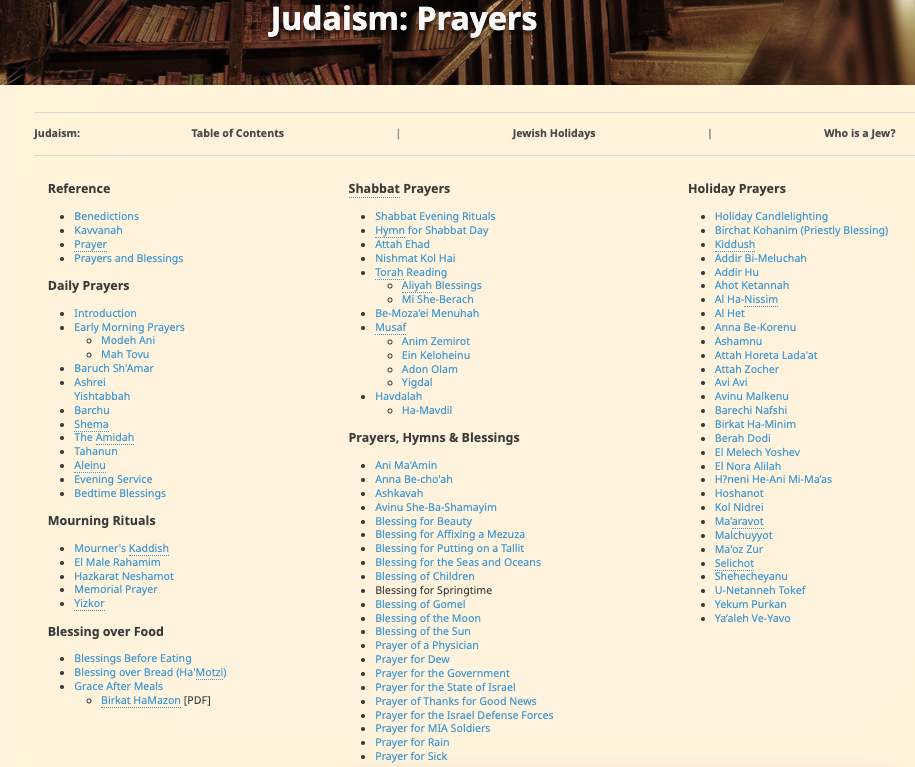
Prayer as Relationship: A Biblical Understanding
The concept of prayer rests on a foundational conviction of the Hebrew Bible: that G-d exists, hears, and responds. Scripture affirms a living, personal G-d who is attentive to human voice and need (Psalm 65:3; cf. Psalm 115:3–7). Prayer is therefore not abstract ritual, but a relational act—rooted in the biblical assertion that the human being was created “in the image of G-d” (Genesis 1:26–27). Embedded within that claim is the possibility of fellowship: an I–Thou relationship between Creator and creation.
Although prayer possesses an intellectual framework—belief, theology, intention—it is fundamentally emotional in character. Prayer expresses humanity’s longing for the Divine and the deep impulse to unburden the soul before G-d. As the psalmist cries, “As a deer longs for streams of water, so my soul longs for You, O G-d” (Psalm 42:2–3), and again, “Pour out your heart before Him” (Psalm 62:9).
Because prayer arises from the human heart, it manifests in many forms: petition, protest, confession, meditation, remembrance (anamnesis), thanksgiving, praise, adoration, and intercession. For purposes of classification, scholars often distinguish “praise” from “prayer” in the narrower, supplicatory sense, and spontaneous or “ejaculatory” prayer from structured, liturgical prayer. Yet these categories are analytical tools, not lived realities.
In practice, prayer resists compartmentalization. Its source is singular. In moments of genuine outpouring, the heart merges all categories into an indivisible relational act. Praise and prayer intertwine, as seen in Hannah’s song (I Samuel 2:1–10). Supplication flows naturally into thanksgiving, as in Psalm 13, which moves from lament to trust and gratitude within a single breath.
Scripture contains numerous passages that might be described as para-prayers—texts hovering between discourse and entreaty. Moses’ encounter at the burning bush (Exodus 3:1–12) stands between dialogue and petition. Jeremiah’s confessions (Jeremiah 20:7ff.) blur the line between meditation and protest. The book of Job is filled with expostulation that is inseparable from appeal.
Attempts to quantify prayer in the Bible depend heavily on definition. Koehler-Baumgartner estimate approximately eighty-five prayers within the biblical corpus, in addition to sixty complete psalms and fourteen partial psalms that function as prayers. Five psalms are explicitly designated as prayers: Psalms 17, 86, 90, 102, and 142. Yet such statistics, while useful, ultimately underscore the same truth: prayer permeates Scripture because relationship permeates Scripture.
Prayer is not an interruption of biblical narrative—it is its pulse.
What Calendar Candle Lighting and Holidays Sources I like:
What I like learning Hebrew:
📘 Learn Hebrew in 6 Weeks — A Resource I Truly Love
I personally use Learn Hebrew in 6 Weeks, and I cannot say enough good things about this program. I love it so much. It has helped me tremendously, and I’ve seen it support others in student learning groups as well.
I recently purchased all of the readers—yes, all of them—because the system is that effective and enjoyable. One of the best parts is that the instructional videos are available on YouTube, which makes learning accessible, flexible, and easy to revisit as needed.
Another highlight for me has been the personal accessibility of the creator. I’ve messaged her directly, and @MiikoShaffier has been incredibly kind, approachable, and encouraging. That human connection makes such a difference when learning a new language.
I honestly can’t get enough of this program.
Because I travel often, I even bought a Kindle specifically so I could continue practicing Hebrew while on the move. Being able to study anywhere—between appointments, while traveling, or during quiet moments—has made consistency much easier.
This program is especially helpful for:
- Adult learners
- Beginners who want structure without overwhelm
- Students who benefit from visual + auditory learning
- Those balancing study with a busy schedule
🔤 Learn Hebrew in 6 Weeks (Official Site):
https://learnhebrewin6weeks.com
📺 YouTube Support Videos:
https://www.youtube.com/results?search_query=learn+hebrew+in+6+weeks
📱 Instagram (Creator):
https://www.instagram.com/miikoshaffier/
If you’re looking for a clear, approachable, and encouraging way to learn Hebrew, this has been one of the most supportive tools in my own journey.
🎶 Learning Hebrew with Music — Hebrew by Inbal
I absolutely love learning Hebrew with Hebrew by Inbal. I follow her both on Instagram and YouTube, and her content has been such a joyful and effective part of my Hebrew-learning journey.
I’ve long believed that learning a new language through music helps the brain retain vocabulary, pronunciation, and rhythm more naturally—and it makes the entire process far more enjoyable. And guess what you’ll find on the Hebrew by Inbal YouTube channel?
Yes—music videos with Hebrew lyrics transliterated into English. 🙌
Color me happy and learning Hebrew through song.
This resource is especially helpful for:
- Beginners learning Hebrew sounds and cadence
- Children and homeschoolers
- Visual and auditory learners
- Anyone who feels intimidated by Hebrew but wants a gentle, joyful entry point
📺 YouTube: https://www.youtube.com/@HebrewByInbal
📸 Instagram: https://www.instagram.com/hebrewbyinbal/
📖 Transliterated Books and Siddurim
For those who are still learning Hebrew—or who want to deepen their prayer practice while building confidence—transliterated books and siddurim can be incredibly supportive tools. They allow readers to participate fully in reading and prayer without feeling excluded or overwhelmed, especially during the early stages of learning.
Headcoverings-by-devorahheadcoverings-by-devorah.com › HebEngTaNaKhIndex.html
Orach Chayim – Way of Life – Torah Studies & Resources – A Comprehensive Compilation of Study Aids
The transliterated biblical text, complete with translation and some commentaries is particularly wonderful. Do you have any plans to complete the remaining Chumash? Also, if you were able to add the pointed Hebrew text alongside the transliteration and translation, it might aid people who are trying to transition from transliteration to reading Hebrew.
Sefariasefaria.org › topics › transliteration
Transliteration | Texts & Source Sheets from Torah, Talmud and Sefaria’s library of Jewish sources.
Jewish texts and source sheets about Transliteration from Torah, Talmud and other sources in Sefaria’s library.
Headcoverings-by-devorahheadcoverings-by-devorah.com › HebEngTaNaKh1.html
Sefer Bereishit – Book of Genesis | Parashat Bereishit
Linear translation – Every Hebrew & Hebrew Tranliterated line has a precise, idiomatically correct, English translation beside it.
ArtScrollartscroll.com › Categories › LTR.html
ArtScroll Prayer Books – Hebrew Transliterated With English
Where I get Jewish books for children:
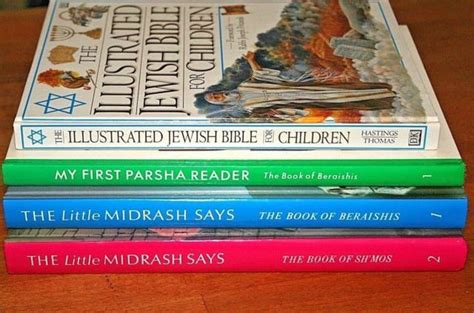
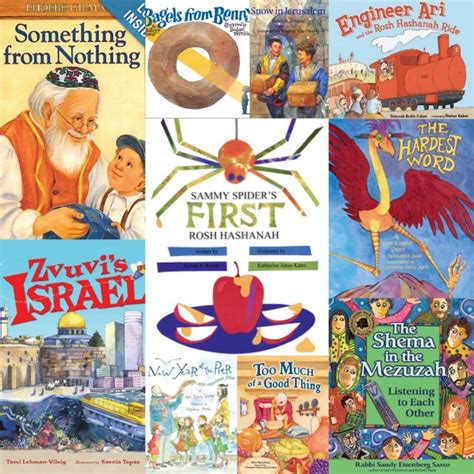
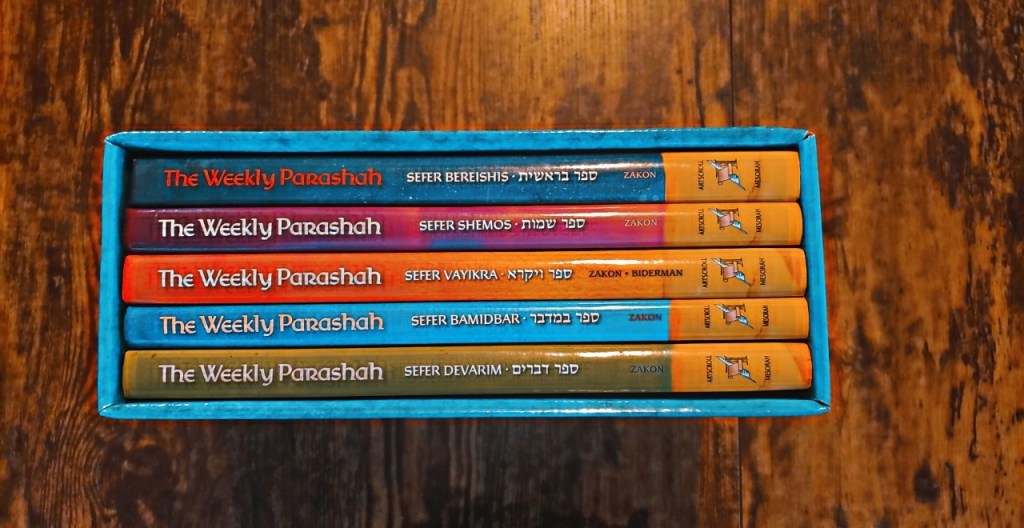
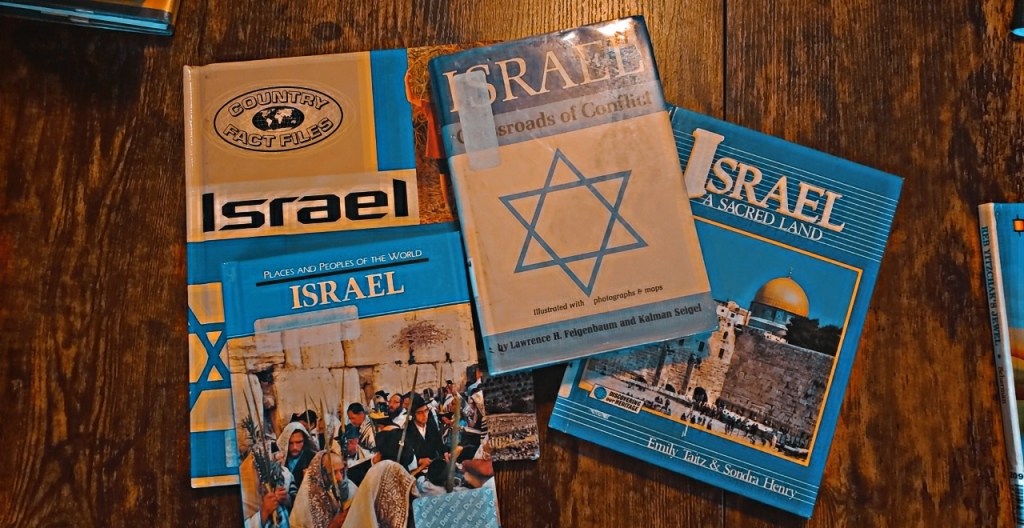
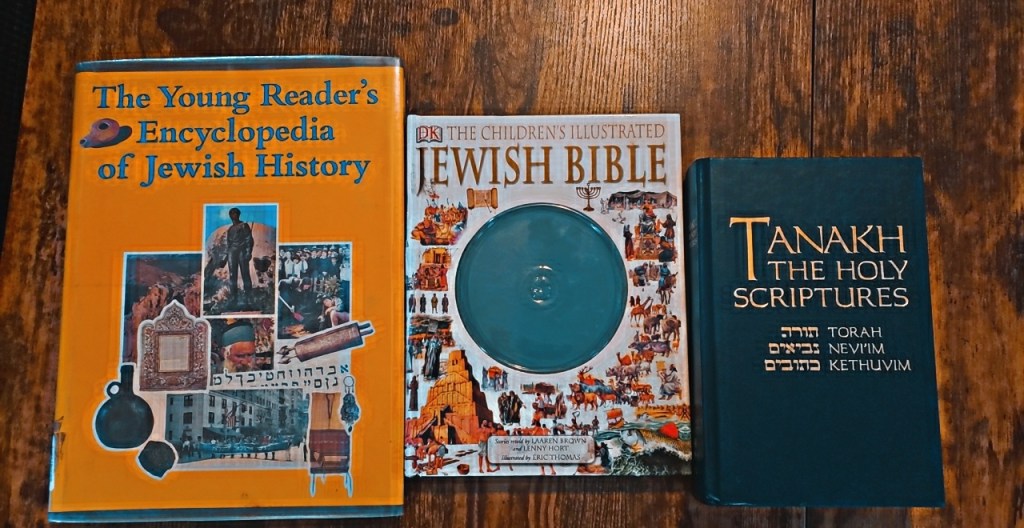
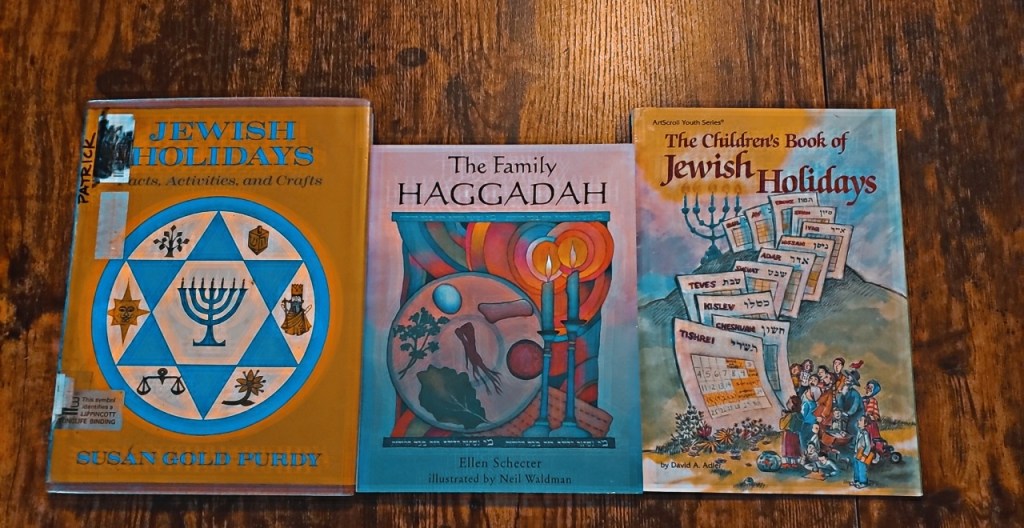
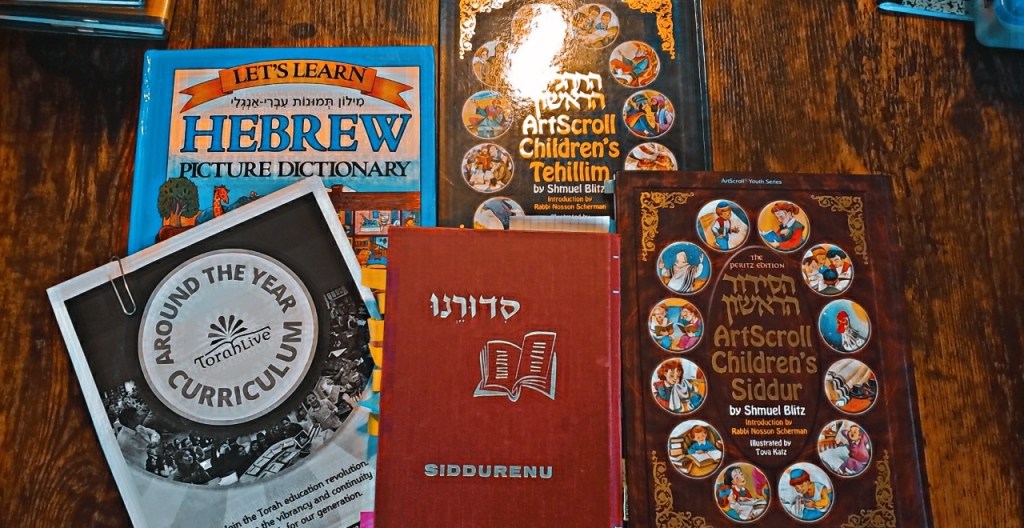
My go to site to find used books is Thriftbooks.com . 📖
ThriftBooks
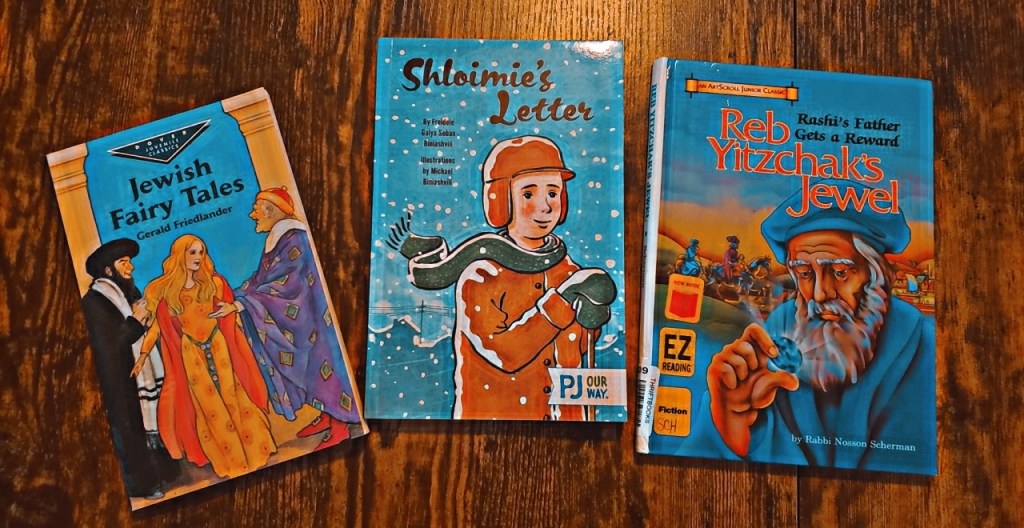
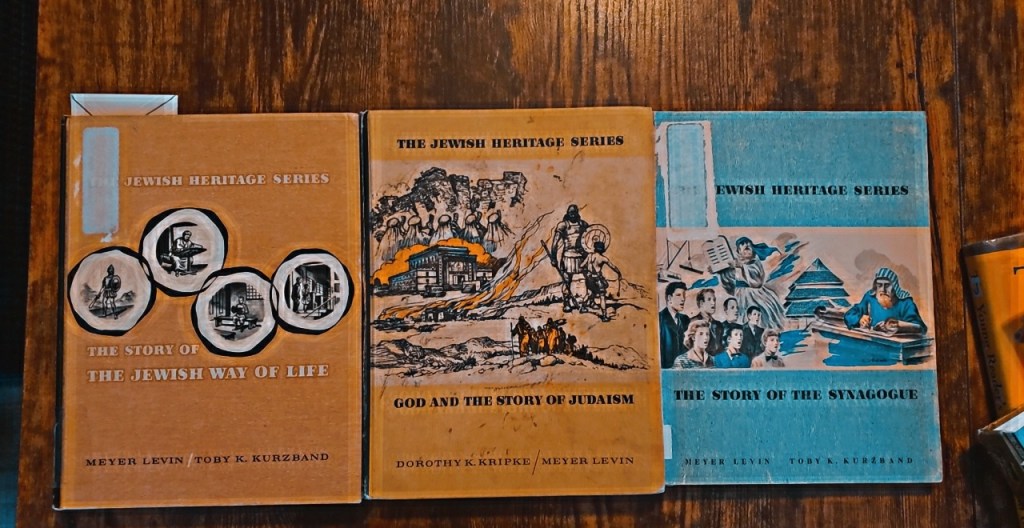
My go-to site for finding affordable, used books is ThriftBooks.com. When searching for Jewish books, I simply type phrases like “Jewish books for children,” “Jewish holidays for children,” “Jewish living,” or “Jewish history,” and—just like that—a wonderful variety of titles appears.
I load up my cart and eagerly await that joyful delivery of books that almost always leads to meaningful family moments—learning, reading, and growing together in Judaism with our children.
#ThankYouHaShem 📚✨
I’ve been using ThriftBooks for years and have saved significantly over time. If others choose to use the link provided, it helps support our ability to purchase more books to study, review, and share with the community. ThriftBooks also offers additional discounts for teachers and homeschoolers, so it’s definitely worth checking out.
📚 ArtScroll
And then there is ArtScroll—a site I truly love.
I honestly cannot express how much I appreciate this resource. I’m subscribed to their email list and happily receive weekly updates on new titles, releases, and special offers. I enjoy exploring their extensive catalog, researching books, and occasionally purchasing courses or study materials.
I fully admit—discovering ArtScroll has required me to practice a bit of self-control. If I had my way, the entire ArtScroll library would live with me in a peaceful Spanish-style castle, nestled beside a beautiful river, surrounded by rich green land like a quiet meadow—close enough to a city to visit family, friends, and shops, yet far enough away to enjoy uninterrupted hours of reading and study. 📖🌿
PJ Library About: 📚 PJ Library
About:
PJ Library provides free Jewish children’s books to families around the world each month, fostering meaningful moments of connection through shared reading. There is something truly special that happens when parents and children sit together with a book—stories become bridges to identity, values, and memory.
Why I Love It:
I love PJ Library for its sweet, gentle, and accessible reading for children. Families can select book preferences, read community reviews, and even submit their own reflections after reading. It creates a joyful, interactive learning experience that extends beyond the page and into family conversation and connection.
It’s learning, bonding, and discovery—all wrapped into storytime.




Shalom Homeschoolers and educator friends,
📚 Core Torah Texts & Study (Foundational)
Tanakh / Chumash / Commentaries
- Sefaria (Free)
https://www.sefaria.org
Full Tanakh, Mishnah, Talmud, classic commentaries, sheets, audio options - Koren Publishers Jerusalem
https://korenpub.com
High-quality Tanakhim and Chumashim used in many Sephardic and Israeli settings - Metsudah Publications
https://www.metsudah.com
Clear translations, homeschool-friendly layouts - Judaica Press
https://www.judaicapress.com
Classic Orthodox translations and commentaries - Feldheim Publishers
https://feldheim.com
Hashkafah, Tanakh, Mussar, family-appropriate Orthodox texts
🎧 Audio & Video Torah Learning (Great for Travel)
Adults & Teens
- TorahAnytime (Free)
https://www.torahanytime.com
Thousands of shiurim across Orthodox traditions - Aleph Beta (Some Free, Some Paid)
https://www.alephbeta.org
Visual Torah learning, excellent for teens & adults - OU Torah (Free)
https://outorah.org
Orthodox shiurim, articles, and holiday content
📜 Sephardic Studies Digital Library (FREE)
https://www.sephardicheritage.org
• Sephardic history
• Culture
• Rabbinic writings
• Ladino resources
🎧 Audio Learning & Podcasts (Great for Busy Families)
🎙️ Jewish History Soundbites (FREE)
https://www.jewishhistorysoundbites.com
• Jewish history podcast
• Suitable for teens & adults
🎙️ 18Forty (Broad Orthodox Thought) (FREE)
https://18forty.org
• Orthodox perspectives
• Philosophy, education, community
• Teen–adult appropriate
🎥 Jewish Video Learning (Clean & Family-Friendly)
📺 Aleph Beta (Paid with some Free content)
https://www.alephbeta.org
• Torah concepts
• Animated explanations
• Excellent for middle & high school
📺 Jewish Education on YouTube (FREE – parent discretion advised)
Search terms:
• “Orthodox Jewish history documentary”
• “Parsha explained”
• “Sephardic Jewish history”
(Always preview content.)
📚 Morah Sarah’s Printables (FREE & Paid)
https://www.teacherspayteachers.com
(Search: “Jewish Homeschool”)
✍️ Hebrew Language Learning
🔤 Duolingo Hebrew (FREE)
https://www.duolingo.com
• Modern Hebrew basics
🔤 Hebrew Worksheets (FREE)
🕯️ Shabbat, Holidays & Jewish Living
🕯️ Ritual & Holiday Guides (FREE)
https://www.myjewishlearning.com
(Use discretion; educational sections are helpful)
📦 Jewish Educational Supplies & Curriculum (Paid)
• Artscroll / Mesorah Publications
https://www.mesorahpublications.com
• Feldheim Publishers
https://www.feldheim.com
• Koren Publishers
https://korenpub.com
• Judaica bookstores (local or online)
🧒 Jewish Children’s Learning (Clean & Family-Friendly)
Video, Audio, & Interactive
- Jewish Interactive (Some Free, Mostly Paid)
https://www.jewishinteractive.net
Games, apps, and homeschool tools - Torah Tots (Free)
https://torahtots.com
Printables, parsha sheets, Hebrew basics - Bible Pathway Adventures (Some Free, Some Paid)
https://biblepathwayadventures.com
Hebrew Bible-based worksheets and activities - Jewish Kids Books
https://jewishkidsbooks.com
Children’s books from Orthodox publishers
🏠 Full Jewish Homeschool Curricula
Structured Programs
- Chinuch.org
https://chinuch.org
Orthodox curriculum materials - Menucha Classroom
https://menuchaclassroom.com
Printable Judaic studies curriculum - Mercaz Sepharad – Sephardic Heritage Resources
https://www.sephardiclegacy.com
History, culture, and heritage materials - Lookstein Center (Some Free)
https://lookstein.org
Jewish education resources, lesson plans - Torahlive.com
✡️ Hebrew Language Learning
- Duolingo Hebrew (Free)
https://www.duolingo.com/course/he/en/Learn-Hebrew - HebrewPod101 (Some Free)
https://www.hebrewpod101.com - Pealim Hebrew Dictionary (Free)
https://www.pealim.com
📖 Mussar, Hashkafah & Character Development
- Sefaria – Mussar Section (Free)
https://www.sefaria.org/texts/Musar - Orchot Tzaddikim (English Editions)
Available via Feldheim & Judaica Press - Mesillat Yesharim (Free on Sefaria / Paid Print Editions)
🧠 Practical Homeschool & Planning Support
- Homeschool Legal Defense Association (HSLDA)
https://hslda.org
(Important for understanding state requirements) - State-by-State Homeschool Laws (Free)
https://hslda.org/legal
🛍️ Where to Order Jewish Homeschool Products
- Eichlers Judaica
https://www.eichlers.com - Artscroll / Mesorah Publications
https://www.artscroll.com - Israel Book Shop
https://www.israelbookshop.com - Amazon (Search Orthodox Publishers)
https://www.amazon.com - Kar-Ben
- Feldheim.com Jewish Books for Children
- Aish.com Free Books for Jewish KIds
- Kalaniot Books
📌 Gentle Reminder / Disclaimer
These resources are shared for educational and informational purposes only.
Availability, content, and suitability may vary by family, community, and halachic guidance.
Please consult trusted educators or Rabbinic leadership when needed.
State homeschooling laws vary—families are responsible for compliance with local regulations.
Allllllll….. that being said enjoy.
📚 Suggested Reading & Study List for Conversion — Sephardic & Orthodox Focus
These books and resources are from my own library or recommended by Sephardic rabbis and others who have walked the path of Torah‑centered conversion. Many emphasize Sephardic practice, traditional observance, and authentic Jewish worldview, rather than secular or generic introductions.
🔹 Classic Jewish Texts & Commentaries (Sephardic Tradition)
Me’am Lo’ez – A classic Sephardic commentary on the Tanakh originally written in Judaeo‑Spanish; widely studied for its deep midrashic and halachic insights.
📘 Me’am Lo’ez – Wikipedia
Pirkei Avot (Ethics of the Fathers) – Essential ethical teachings; foundational for character refinement and daily growth (often studied in Sephardic yeshivot).
📘 Pirkei Avot – Sefaria
🔹 Torah & Halacha Foundations (Orthodox Study)
The Living Torah — Rabbi Aryeh Kaplan’s accessible translation with commentary; excellent for transitioning into more advanced Torah study.
📘 The Living Torah – Amazon
Kitzur Shulchan Aruch — A concise guide to Jewish law and daily observance; invaluable for anyone preparing for Orthodox conversion.
📘 Kitzur Shulchan Aruch – Seforim Center
🔹 Conversion & Jewish Life Guides (Orthodox‑sensitive selection)
To Be a Jew: A Guide to Jewish Observance in Contemporary Life — Comprehensive halachic reference on daily Jewish observance from basics to lifecycle laws.
📘 To Be a Jew – Jew‑ish by Choice
Choosing a Jewish Life: A Handbook for People Converting to Judaism and for Their Family and Friends — A detailed overview of conversion processes, identity formation, and practical life in Jewish community.
📘 Choosing a Jewish Life – BecomingJewish.net
(Note: While not Sephardic‑specific in practice, these works are widely used by Orthodox teachers as foundational study for converts.)
🔹 Sephardic Community & Learning Resources (Online)
Sephardic Digital Academy – Free online classes on Sephardic Torah, Halakha, custom, and traditions taught by Sephardic teachers and institutions.
🌐 Sephardic Digital Academy
SephardicU Resources Hub – A broad guide to Sephardic traditions, history, and community tools.
🌐 SephardicU Resources
El Centro de Estudios Judíos Torat Emet – Spanish‑language Sephardic Torah study center with classes, videos, and community support (excellent for Spanish‑speaking learners & Bnei Anusim exploration).
🌐 El Centro de Estudios Judíos Torat Emet
📌 Special Disclaimer for Converts & Ba’al Teshuvah
Please read before using this list:
☑️ This list is suggestive, not prescriptive. Learning Torah and pursuing conversion is a deeply personal, halachic process that should be supervised by a qualified rabbi or Beit Din (rabbinical court). ***Note: if any are violating federal, state, or rabbinical laws, they are not qualified.
☑️ Not all communities, batei din, or Sephardic institutions may respond the same way to conversion candidates or Ba’al Teshuvah. Some are open and welcoming; others are abusive, mislead, and hostile. While others are more cautious or have additional requirements. Local norms vary widely. Always confirm expectations with a rabbinic authority before relying on any book or curriculum. And if needed here is a Blog that might come in useful for advice if one is enduring ⚖️ Religious Discrimination, Abuse, and Legal Protections for Converts & Ba’al Teshuvah
☑️ These resources reflect my experience and recommendations; they do not constitute professional advice. If you are serious about conversion or observance, please study under a qualified actual Torah observing law abiding rabbi and consult your Beit Din for guidance tailored to your situation.
📌 Reading Progression Chart (Beginner → Intermediate → Advanced)
| Level | Recommended Books/Resources | Notes |
|---|---|---|
| Beginner | Tanakh JPS, The Living Torah, Pirkei Avot | Ideal for those transitioning from secular or non‑Torah backgrounds. Focus on narrative, ethics, and clarity. |
| Intermediate | Stone Edition Chumash (Blue Stone Torah), Kitzur Shulchan Aruch, To Be a Jew | Begin integrating halachic observance, commentary, and deeper text analysis. |
| Advanced | Pituchei Chotam on the full Chumash, Me’am Lo’ez, SephardicU Courses, El Centro de Estudios Judíos Torat Emet | Study historical context, advanced commentary, gendered perspectives, and Sephardic traditions. |
📌 Weekly Study Plan (Example)
Week 1–2: Begin reading Tanakh JPS or Living Torah; study one chapter per day.
Week 3–4: Start Pirkei Avot; reflect on ethical lessons and journaling.
Week 5–6: Read Kitzur Shulchan Aruch or To Be a Jew sections; integrate observance tips.
Week 7–8: Begin Stone Edition Chumash study; focus on parashot with commentary.
Week 9–10: Study Me’am Lo’ez or Pituchei Chotam; note Sephardic customs and historical context.
Week 11–12: Participate in Sephardic Digital Academy courses or El Centro classes; consolidate learning with mentor or rabbinic guidance.
Note: Pace is flexible; the goal is consistent, sincere, and structured study, not speed.
🙏 Encouragement for Seekers
Whether you are at the very beginning of your journey or deeply immersed in learning, know this:
Torah study is a lifelong partnership with HaShem. Allow your study to be guided by humility, sincerity, and halachic accountability—and always seek mentorship and community support as you grow.
- Sephardic Kitzur Shulchan Aruch by Rabbi Reuven Amar
- Book of Our Heritage Rabbi Eliyahu Kitov
- Birkot Eliyahu Rabbi Eliyahu Hay Yahud
- How to run a Traditional Jewish Household by Blu Greenberg
- To Pray as a Jew by Rabbi Hayim Halevy Donin
- To Raise a Jewish Child by Rabbi Hayim Halevy Donin
- To be a Jewish Woman by Lisa Aiken
- Four Centuries of Jewish Women’s Spirituality edited by Ellen M. Umansky and Dianne Ashton
- The Torah Portion by Portion by Seymour Rossel
- The Wisdom of Israel An Anthology by Lewis Browne
- Everyman’s Talmud introduction by Boaz Cohen
- History of Judaism (two volumes) by Daniel Jeremy Silver and Bernard Martin
- The Jewish People’s Almanac by David C. Gross
- What is Judaism by Emil L. Fackenhem
- Meet the American Jew Edited by Belden Menkus
- Judaism by Arthur Hertzberg
- The Hebrew People by Josephine Kamm
- Whose Bar/Bat Mitzvah Is this, Anyway? by Judith Davis, Ed.D.
- The Lost Books of the Bible by Joseph B. Lumpkin
- The Complete Dead Sea Scrolls Translated by Geza Vermes
- Misquoting Jesus by Bert D. Herman
- Leaving Jesus by James Wood Jr.
Fun pages that others might enjoy!